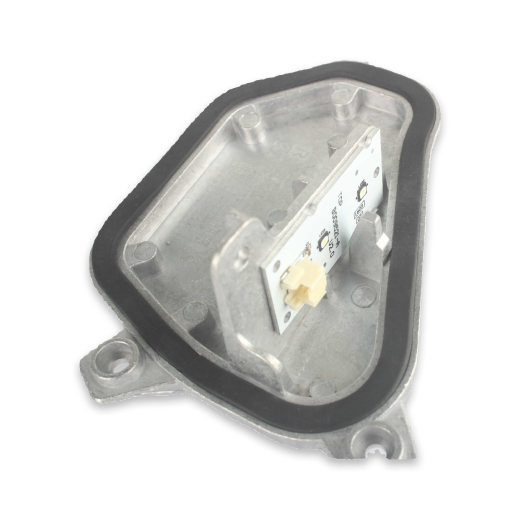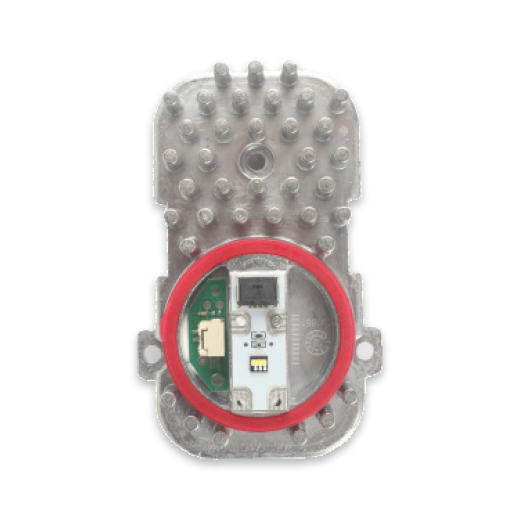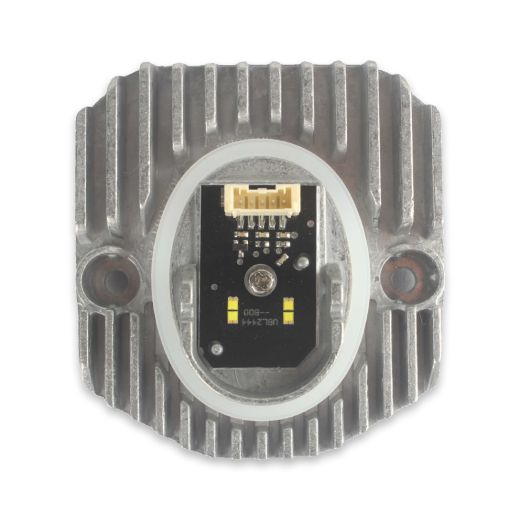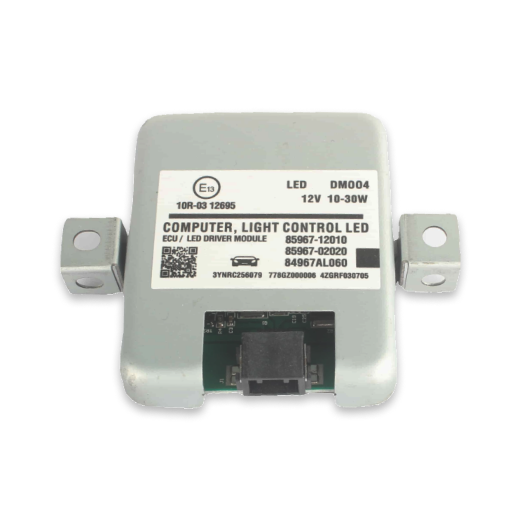

The automotive lighting industry has seen significant advancements in recent years, with High-Intensity Discharge (HID) and Light-Emitting Diode (LED) technologies at the forefront. This article explores the current state of HID ballasts in the market, compares them with emerging LED solutions, and discusses future trends in the context of the evolving automotive landscape, particularly with the rise of electric vehicles.
Current Market Status of HID Ballasts
HID lighting systems, powered by ballasts, have been a staple in the automotive industry for years, particularly in high-end vehicles and the aftermarket sector. Their popularity stems from:
1. Superior light output and road illumination
2. Improved nighttime driving safety
3. Enhanced vehicle aesthetics and brand positioning
Many manufacturers, especially in the luxury segment, have embraced HID technology for its performance benefits. The aftermarket also sees steady demand from enthusiasts looking to upgrade their vehicles’ lighting systems.
The LED Challenge
Despite the established position of HID systems, LED technology is rapidly gaining ground in the automotive lighting market. LED lights offer several advantages:
1. Energy Efficiency: Crucial for extending the range of electric vehicles
2. Longevity: Typically outlasting the vehicle itself
3. Rapid Response: Instantaneous illumination enhances safety
4. Design Flexibility: Compact size allows for innovative lighting designs
These benefits have led many automakers to adopt LED technology, especially in newer models and electric vehicles.
HID vs LED: A Comparative Analysis
While LED technology is advancing quickly, HID systems still maintain some advantages:
1. Cost-effectiveness: In certain applications, HID systems remain more economical
2. Light Output: HID can still produce more intense light in some scenarios
3. Established Market: Existing vehicles and aftermarket support for HID systems
However, LED’s benefits in energy efficiency, design flexibility, and longevity are increasingly outweighing these factors, especially in the electric vehicle market.
Future Outlook
The future of automotive lighting appears to be leaning towards LED technology, driven by several factors:
1. Electric Vehicle Growth: The push for energy efficiency favors LED solutions
2. Technological Advancements: Ongoing improvements in LED performance and cost-effectiveness
3. Regulatory Environment: Stricter energy efficiency standards may favor LED technology
However, HID systems are likely to maintain a presence in the short to medium term, particularly in:
1. Existing vehicle models
2. Certain high-performance applications
3. Aftermarket and retrofit sectors
Conclusion
While HID ballasts have been a cornerstone of advanced automotive lighting, the industry is witnessing a gradual shift towards LED technology. This transition is accelerated by the growth of the electric vehicle market and continuous improvements in LED efficiency and performance.
For manufacturers and distributors in the automotive lighting sector, a strategic approach might involve:
1. Continuing to support HID systems for existing markets
2. Investing in LED technology research and development
3. Developing hybrid solutions that leverage the strengths of both technologies
As the automotive industry continues to evolve, lighting technology will play a crucial role in vehicle performance, safety, and design. While LED appears to be the future, HID technology’s legacy ensures it will remain a part of the automotive landscape for years to come.