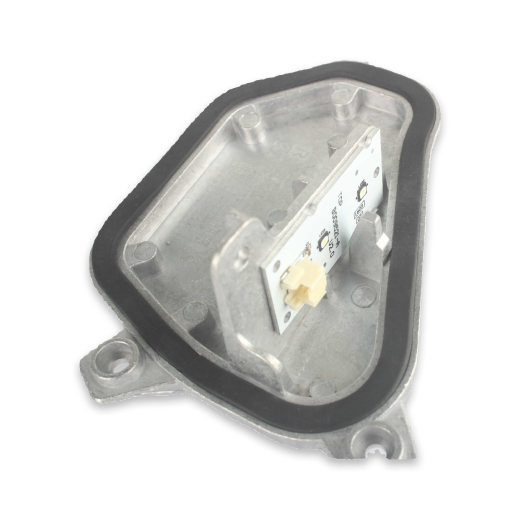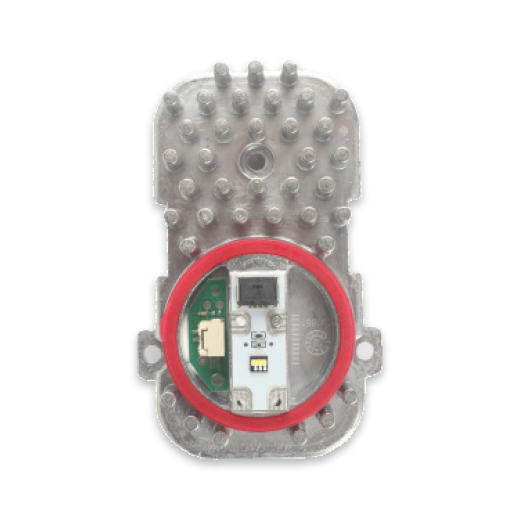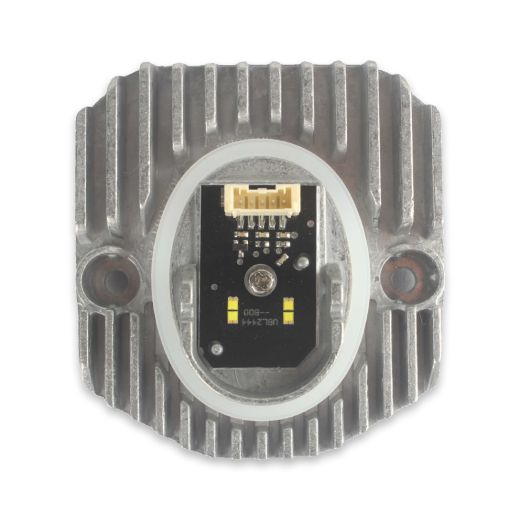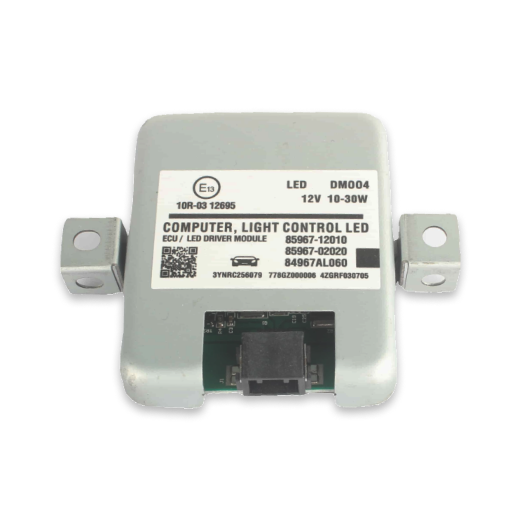

In the realm of modern automotive lighting, HID ballasts play a pivotal role, enabling high-intensity illumination with reduced energy consumption through xenon lamp sources. This article delves into the fundamental principles, prominent manufacturers, widespread applications, and future trends of HID ballasts in the automotive industry.
Working Principles of HID Ballast
HID ballasts, as electronic devices, are designed to provide the necessary voltage and current to start and sustain xenon lamps’ operation. The operational sequence of HID lamps involves:
- Ignition Phase: During ignition, HID ballasts deliver high-voltage pulses that ionize the gases within the xenon lamps, initiating an electric arc.
- Steady Operation: Once ignited, the HID ballast regulates a stable current and voltage, ensuring consistent brightness and color temperature throughout the lamp’s lifespan.
Leading HID Ballast Manufacturers Worldwide
Several globally renowned manufacturers dominate the HID ballast market:
- Philips: A stalwart in automotive lighting solutions, Philips produces a range of high-quality HID ballasts widely adopted in prestigious vehicle models like Audi and BMW.
- Osram: Known for cutting-edge lighting technologies, Osram’s Xenarc series HID ballasts are extensively integrated into German automotive brands and Japanese vehicles.
- Hella: Hella’s Gen 3.5 series HID ballasts cater specifically to the European and American markets, providing robust performance across various premium automotive brands.
- Denso: As a premier Japanese automotive component manufacturer, Denso supplies HID ballasts extensively used in Toyota, Honda, and other leading Japanese automakers.
- Valeo: Based in France, Valeo offers high-performance Xenon Ballasts compatible with a wide array of European and Asian automotive brands.
Applications of HID Ballasts
HID ballasts transcend luxury vehicles, finding application in both standard and high-end automotive segments. They offer superior brightness, durability, and energy efficiency compared to conventional halogen lamps. Key advantages include:
- Enhanced Visibility: HID bulbs emit a brighter light output, enhancing visibility and safety during night-time driving.
- Longevity: With longer operational lifespans than halogen counterparts, HID bulbs reduce maintenance frequency and costs for vehicle owners.
- Energy Efficiency: HID technology consumes less power, contributing to lower fuel consumption and reduced carbon emissions, aligning with global environmental goals.
Future Development Trends
The future of HID ballasts promises continued innovation to meet evolving automotive demands:
- Smart Integration: Next-generation HID ballasts may incorporate intelligent features such as adaptive lighting systems, responding dynamically to road conditions and driver preferences.
- Enhanced Durability: Advances in materials and manufacturing processes aim to enhance HID ballasts’ robustness, ensuring reliable performance across diverse driving conditions.
- Regulatory Compliance: Ongoing advancements will ensure HID ballasts meet stringent regulatory standards for automotive safety and efficiency worldwide.
Conclusion
In conclusion, HID ballasts are indispensable components in modern automotive lighting systems, offering superior performance and efficiency. Manufacturers like Philips, Osram, Hella, Denso, and Valeo continue to innovate, driving the evolution of automotive lighting technology. As vehicles become more technologically advanced, HID ballasts play a crucial role in enhancing both driving experience and vehicle safety, while also contributing to environmental sustainability through improved energy efficiency. With ongoing advancements and applications across various automotive segments, HID ballasts remain at the forefront of lighting innovation, shaping the future of automotive illumination worldwide.